7 Best Secondary Cities for Real Estate Investment in 2026
As primary metros hit a valuation ceiling, nimble capital is retreating to high-growth 'Tier 2' hubs with sustained yield potential.
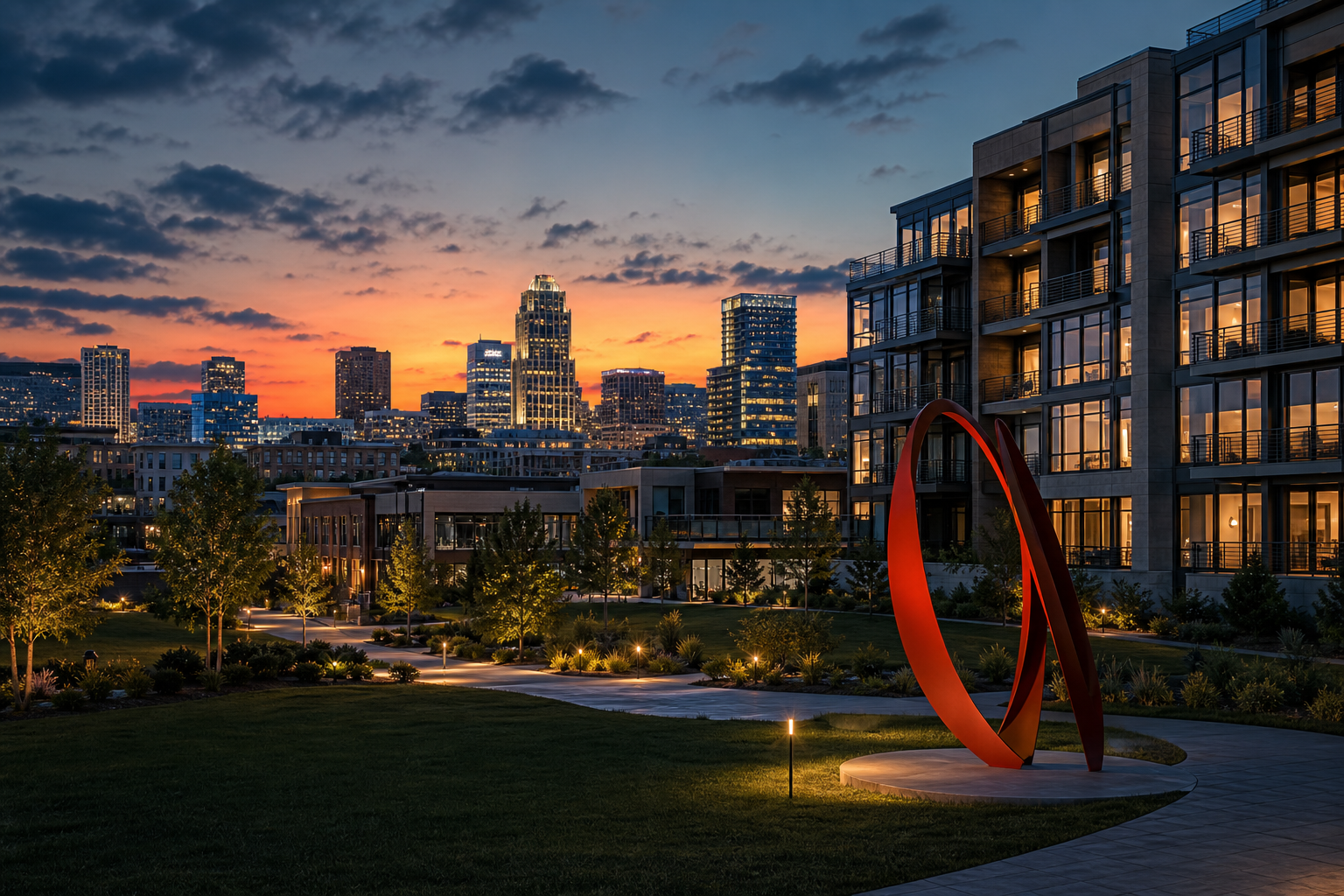
The Great Migration of Capital: Why Secondary Cities are Winning in 2026
For the past decade, the narrative of real estate investment was dominated by the gravitational pull of 'Superstar Cities.' However, as we move through 2026, the data indicates a seismic shift. The 7 best secondary cities for real estate investment are those high-growth urban centers—such as Raleigh, Columbus, and Salt Lake City—that offer a superior balance of entry-level pricing, robust job growth, and quality-of-life amenities compared to oversaturated primary markets.
The Quick Answer: The 7 best secondary cities for real estate investment in 2026 are Raleigh, NC; Columbus, OH; Salt Lake City, UT; Tampa, FL; Indianapolis, IN; Phoenix, AZ; and Nashville, TN. These markets are outperforming major coastal hubs due to lower cost of living, significant corporate relocations, and a steady influx of millennial and Gen Z renters seeking affordability without sacrificing urban amenities.
Why are major markets settling in 2026?
Major markets are settling because of high entry costs, stagnant yield profiles (Cap Rates below 4%), and a regulatory environment that increasingly favors tenants over investors. According to the Urban Land Institute's Emerging Trends in Real Estate 2026 report, investor sentiment has pivotally shifted toward '18-hour cities.' These locations provide a 'goldilocks' environment: enough scale to ensure liquidity, but enough room for significant capital appreciation.
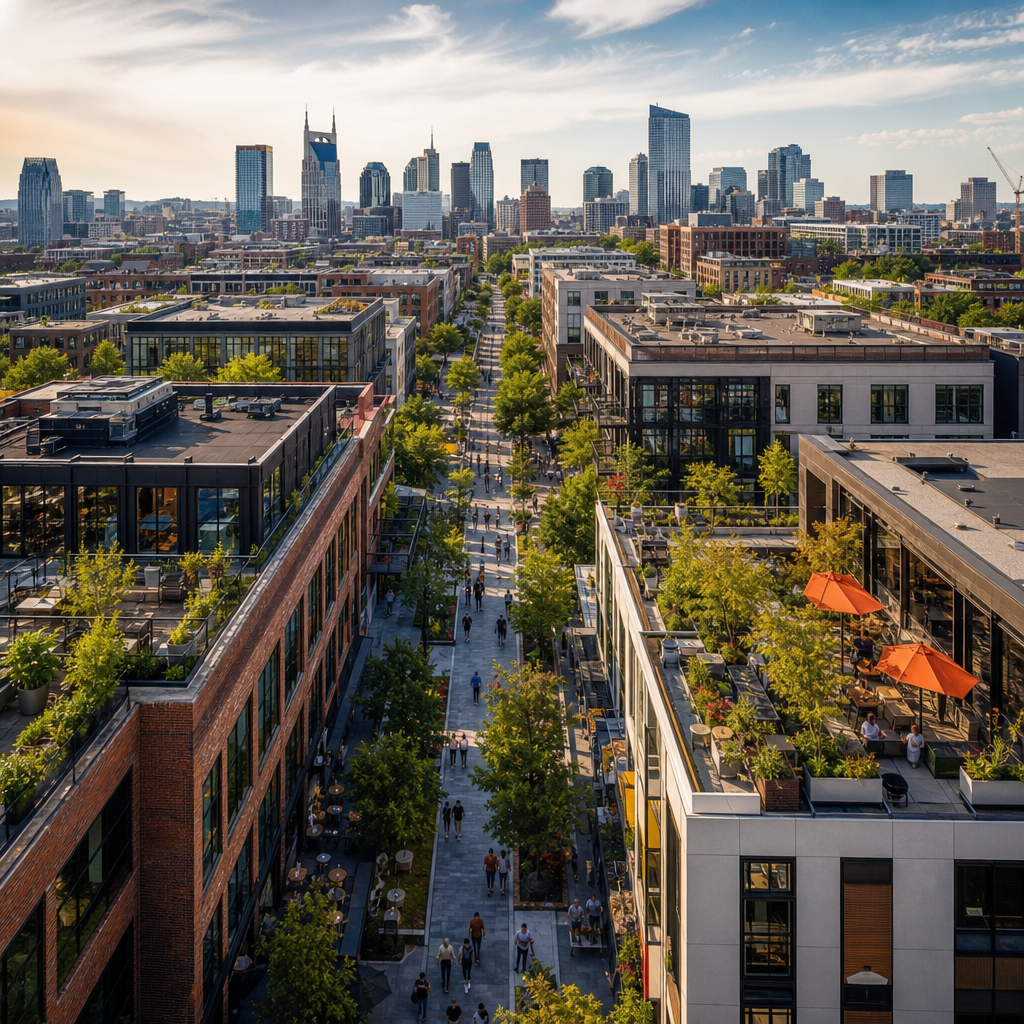 Mixed-use developments in secondary cities are seeing the highest rent premiums in 2026.
1. Raleigh-Durham, North Carolina: The Innovation Hub
Raleigh remains a top contender because of the Research Triangle Park (RTP). This area functions as the East Coast's premier tech and biotech secondary market. With Apple and Google expanding their footprints here, the demand for high-end multi-family housing continues to outpace supply.
- Key Growth Driver: Education-to-employment pipeline from Duke, UNC, and NC State.
- Investor Edge: Resilient rental demand even during broader economic cooling.
2. Columbus, Ohio: The Silicon Heartland
Columbus is no longer just a college town. The massive $20 billion Intel semiconductor plant investment has fundamentally altered the city's economic trajectory. It is now one of the fastest-growing metros in the Midwest, attracting a workforce that requires modern residential units.
Is Columbus a good real estate investment in 2026?
Yes, Columbus is a top-tier investment choice because it offers one of the lowest median home prices among growth-oriented metros while maintaining a rental vacancy rate below 5%. The diversification of its economy—from fashion to finance and high-tech manufacturing—insulates investors from sector-specific downturns.
 Data-driven investing identifies high-yield corridors outside traditional coastal hubs.
3. Salt Lake City, Utah: The Mountain West Leader
Salt Lake City (SLC) has successfully branded itself as the 'Silicon Slopes.' It attracts residents with its proximity to outdoor recreation and a business-friendly tax environment. For investors, the appeal lies in Utah’s young demographic; the state has one of the highest birth rates and youngest median ages in the U.S., ensuring a long runway for housing demand.
| Metric | Salt Lake City | National Average (U.S.) |
|---|---|---|
| Median Age | 31.2 | 38.8 |
| 5-Year Job Growth | 12.4% | 6.8% |
| Rent Appreciation | 5.2% | 3.1% |
4. Tampa, Florida: The Sunbelt Alpha
While Miami faces affordability and insurance hurdles, Tampa has emerged as the preferred Florida play. The Water Street Tampa development has redefined the downtown core, drawing in a high-earning demographic that prefers renting luxury condos over traditional homeownership.
Strategic Insight: Diversify into 'B-Class' value-add multi-family properties in the Tampa suburbs to capture the overflow of middle-income workers priced out of the new downtown developments.
5. Indianapolis, Indiana: The Cash Flow King
Indianapolis is frequently cited by PwC and ULI as a top market for price-to-rent ratios. If your strategy focuses on monthly cash flow rather than speculative appreciation, 'Indy' is your primary target. The city's logistics and pharmaceutical sectors provide a bedrock of stable, blue-collar and white-collar employment.
6. Phoenix, Arizona: The Logistics Giant
Despite concerns over water rights, Phoenix continues to expand. The city’s role as a regional logistics and distribution hub for the Southwest is unmatched. Institutional investors are heavily targeting the 'West Valley' where industrial expansion is triggering a massive need for workforce housing.
7. Nashville, Tennessee: The Cultural Magnet
Nashville is more than just music; it is a healthcare and management hub. The lack of state income tax in Tennessee acts as a permanent magnet for corporate relocations from California and New York.
What makes Nashville a top investment market?
Nashville stands out due to its 'brand power' and lifestyle appeal, which keeps occupancy high. According to Zillow's Market Reports, Nashville continues to see double-digit year-over-year growth in high-income renter households, making it a prime target for 'build-to-rent' (BTR) communities.
Comparing Yields: Primary vs. Secondary Markets
To understand the shift, we must look at Cap Rates—the ratio of Net Operating Income to property value. In 2026, the compression in primary markets like NYC or San Francisco has made it difficult to find deals that clear the hurdle of current financing costs.
Yield Comparison Table (Projected 2026)
| Market Tier | Typical Cap Rate (Multi-Family) | Avg. Entry Price (2BR) | Projected 3-Year Growth |
|---|---|---|---|
| Primary (NY, SF, LA) | 3.5% - 4.2% | $850,000+ | 1.5% |
| Secondary (Raleigh, Indy) | 5.4% - 6.1% | $340,000 - $410,000 | 4.8% |
| Tertiary (Small Hubs) | 6.5%+ | $220,000 | 2.2% |
How to structure your secondary market portfolio
When investing in these seven cities, the 'Hub and Spoke' model is most effective. Purchase a central urban asset for long-term appreciation and balance it with suburban 'spoke' properties that provide higher immediate cash flow.
- Focus on 'Live-Work-Play' districts: Areas with a walk score above 70 in these cities see 15% higher rent premiums.
- Verify Infrastructure Projects: Invest near planned transit extensions or tech campuses (e.g., the Intel site in Columbus).
- Legal Diligence: Always check local short-term rental (STR) ordinances, as many secondary cities are tightening regulations to protect long-term housing stock.
Disclaimer: This article is for informational purposes only and does not constitute personalized financial, legal, or investment advice. Real estate investments carry inherent risks, including market volatility and liquidity issues. Always perform your own due diligence and consult with a qualified professional before committing capital.
Frequently Asked Questions (FAQ)
Which secondary city has the highest growth potential in 2026?
Columbus, Ohio, currently shows the highest growth potential due to trillions in planned industrial investment and a significant supply-demand imbalance in high-quality housing. The 'Intel Effect' is expected to drive price appreciation for the next decade.
Is it better to invest in single-family or multi-family in these cities?
In secondary markets for 2026, multi-family assets generally offer better risk-adjusted returns due to the rising trend of 'renters by choice'—professionals who move for jobs and prefer managed communities. However, single-family rentals (SFR) remain highly liquid and popular in the Sunbelt markets like Phoenix and Tampa.
How do interest rates affect secondary market investments?
While higher rates increase the cost of debt, secondary markets are more resilient than primary markets because the lower entry price requires less absolute leverage. Furthermore, the strong job growth in these specific seven cities typically allows for rent increases that can offset higher mortgage payments.
“Yield is no longer found in the glass towers of Manhattan, but in the growing tech hubs of the Heartland.”
Get the Brief
Sharp, original reporting in your inbox. One weekly email, no noise.
Frequently asked questions
- What defines a secondary city for real estate investment?
- A secondary city is a medium-sized metropolitan area—typically with a population between 1 and 3 million—that experiences high job and population growth but offers more affordable real estate than 'Tier 1' hubs like New York or London.
- Why is Raleigh, NC consistently ranked high for investors?
- Raleigh benefit from the 'Research Triangle' effect, where top-tier universities feed a steady supply of high-earning talent into local tech and biotech firms, ensuring low vacancy rates for rental properties.
- Are secondary markets risky if the economy slows down?
- While all markets face risks, the 7 cities listed have diversified economies (tech, healthcare, and education) that historically show more resilience than markets dependent on a single industry like finance or tourism.